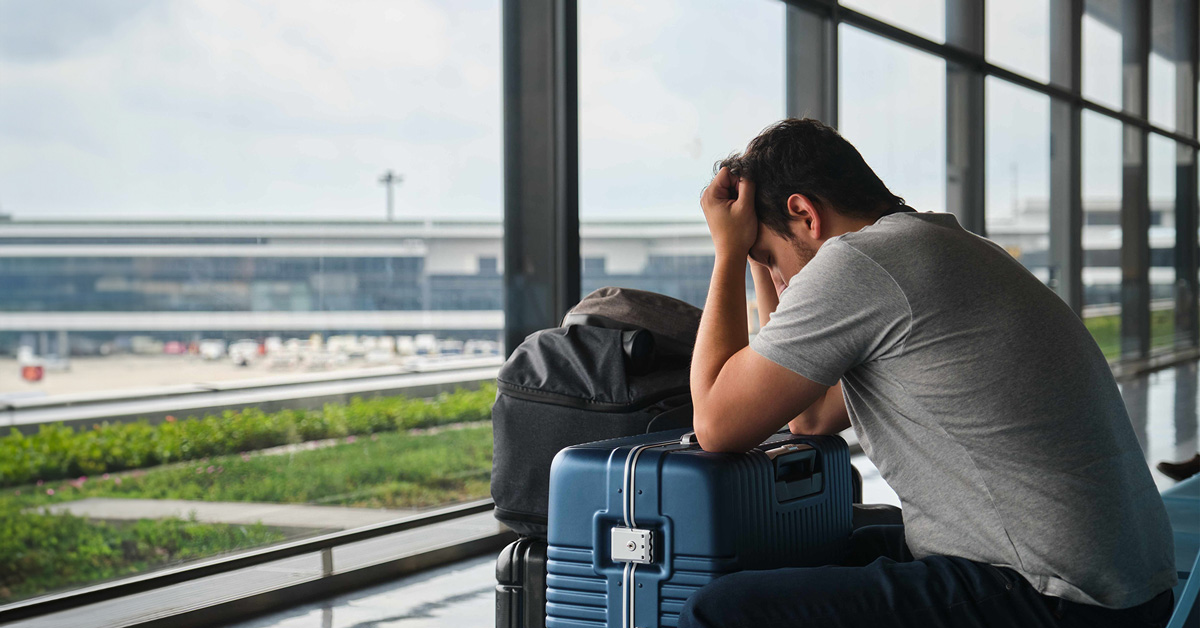
Most trips to Canada begin with excitement rather than concern.
Parents prepare carefully before visiting their children and grandchildren. Families coordinate airport pickups weeks in advance. Travellers plan vacations expecting smooth flights, family gatherings, sightseeing, and quiet time together after long periods apart. Very few people spend time imagining delayed recoveries after hospitalization, cancelled return flights, or sudden emergencies that force an unexpected extension of the trip.
Yet those interruptions have become increasingly common.
As per Statistics Canada and international travel data, millions of travellers keep on coming to Canada each year due to tourism, temporary visits, and visiting family members. However, international travellers have kept on facing difficulties in their journeys due to weather disruptions, flight staff shortages, medical emergencies, and other health-related interruptions that are even more frequent now than before the coronavirus outbreak. The government of Canada has also kept on reminding travellers to maintain proper Visitor Health Insurance, as otherwise, it may become very costly to cover health expenses in Canada without having insurance.
Visitors usually understand the importance of such advice after things go wrong unexpectedly.
The visitor might need emergency health services just days before going back to their homes. The parent travelling to Canada may become too ill to fly because of hospitalization. The weather conditions could force the traveller to cancel their international flight and extend their stay. In certain scenarios, they find out that the Visitor Insurance exclusions do not cover interruption-related costs.
These situations have made many travellers ask a much more practical question before arriving in Canada.
Are there Visitor Insurance options for unexpected trip interruptions?
The answer is yes, but the level of protection often depends on the details hidden inside the policy itself. Visitor Visa Insurance Plans can vary significantly when it comes to interruption flexibility, refund conditions, deductible structures, and emergency travel changes. Two policies that initially appear similar may respond very differently once a medical emergency or delayed departure actually occurs.
Why Unexpected Travel Interruptions Are Affecting More Visitors
International travel has become far less predictable than many people expected a few years ago.
Even well-structured plans could be disrupted owing to flight delays, harsh weather conditions, emergency situations involving personal health issues, emergencies abroad within the visitors’ families, or extended convalescence periods following medical treatment. In most cases, people who are in Canada for an extended period realize that it does not take much to cause a series of financial issues to arise.
While Canadians rely on the provincial health care system when in need of health services, foreign visitors depend on the private Visitor Insurance Canada plans throughout their stay. In circumstances where the travel plan has been affected by sickness or injuries, the problem is not only about covering the costs incurred at the hospital, but may also extend to other areas such as the cost of making flight adjustments, increased lodging costs, prescription expenses, etc.
This makes it crucial to get Visitor Insurance Coverage for visiting Canada, where there might be elderly travelers that are more exposed to health problems while on a prolonged trip. The patient who had made travel plans for a brief visit with his family would need additional time for recovery to be fit enough to travel abroad again. Even if the problem itself becomes under control, the effects of this disruption will have consequences for future travelling expenses.
While most people usually think about the most disastrous situations in their lives, like an operation or being hospitalized, what people forget about is the disruption that this causes.
What Visitor Insurance Usually Covers During Interruptions
Most Visitor Insurance Canada is built around emergency medical protection first.
This implies that in most instances, the objective of the policy is to offer protection against medical emergencies and accidents that necessitate immediate care and intervention while in a temporary residence in Canada. The kind of protection that visitors will get under the chosen policy may include hospitalization, doctor services, emergency examinations, ambulance service, prescription medications, and other types of medically necessary care that arise as a result of the covered emergencies.
However, coverage for interruptions does not always operate in the same way as medical emergency coverage.
The visitor may be fully covered for their medical needs following an illness, yet still incur personal expenses associated with cancelled or delayed flights, accommodation, or travel arrangements. Some policies under the visitor visa insurance program will have some degree of coverage for interruptions, especially when they relate to medical inability to return to the country.
The important detail many travellers miss is that interruption flexibility varies dramatically between policies.
One insurance company may provide an extension during the time of being hospitalized very easily, whereas the other may ask for detailed information regarding your health in order to be able to extend their services. There are some Canadian Visitor Insurance Policies that allow a partial refund if you leave before you had intended to, due to not making any claims.
These differences often become visible only after a disruption has already happened.
The Difference Between Medical Coverage And Interruption Protection
One of the biggest misunderstandings surrounding Visitor Insurance involves assuming all travel disruptions automatically qualify for reimbursement.
That is rarely how insurance policies work.
Emergency medical coverage and interruption insurance are two different topics that can be covered independently within visitor visas insurance policies. One insurance plan might have a strong response to the emergency situation while the other does not cover much concerning the issues arising from the interruption.
For instance, when a parent visiting Canada gets pneumonia just before he is supposed to board a flight back home, the emergency hospitalization can be covered through the medical part of the policy. The issue of the delayed airline ticket will be covered only if the plan covers such interruptions.
Many travellers do not realize this distinction until after they begin dealing with the disruption directly.
This is one reason policy wording matters far more than many people initially assume. A Visitor Insurance Policy is not simply about the total medical limit advertised in large print. The flexibility surrounding extensions, refunds, exclusions, deductibles, and emergency travel changes often determines how useful the policy actually becomes once real-life complications appear.
Why Visitor Insurance For Parents Visiting Canada Requires More Planning
Families arranging Visitor Insurance for parents visiting Canada often focus heavily on coverage limits while paying less attention to flexibility.
Yet flexibility becomes extremely important once travel plans become uncertain.
Visitors within the older age group are statistically more vulnerable to suffer delayed recovery, mobility issues, medication concerns, or other post-treatment problems. A seemingly short stay in the hospital may mean a patient cannot travel internationally for weeks. It is then that the family needs to make arrangements for extended accommodation, rebooking tickets, covering medication costs, and maintaining insurance coverage.
Here, the deductibles offered through Visitor Insurance become important factors in shaping finances.
The lower deductible means higher premiums but lower costs in case of an emergency. The high deductible results in lower insurance payments but potentially greater costs upon starting any treatment procedures. If there are numerous hospital visits and other prolonged interventions involved, the differences can become substantial very fast.
As the family is dealing with changed tickets and prolonged trips anyway, the deductibles become more relevant than anticipated.
Visitor Insurance Exclusions Often Create The Biggest Surprises
Many denied claims are not caused by fraud or dishonesty.
Instead, they happen because travellers misunderstood the Visitor Insurance exclusions inside the policy.
Medical conditions prior to the policy are definitely another example.
If the traveller already has diabetes, hypertension or heart issues but the condition is under control by the standards of the insurance company at the time of travel, there would be no problem obtaining insurance. However, if the medical condition was not stable at all or the requirements have not been completely met, any complications associated with such health issues will not be covered.
That can cause serious problems when interruptions are being considered.
For instance, an illness or accident that was excluded from coverage could result in exclusion from coverage of claims regarding delays in departure, extended stay in a hotel, or emergency adjustment of travel arrangements due to a health condition. Although the traveller assumes he or she is eligible for assistance due to the disruption of travel plans, the health issue turns out to be very influential.
Other exceptions from Visitor Insurance include standard medical procedures, medical treatments without emergencies, travelling in opposition to a doctor’s orders, or high-risk sports and activities.
It may sound quite shocking that even in cases of emergencies documentation becomes really crucial for getting assistance.
Can Visitors Receive A Canada Visitor Insurance Refund?
In certain situations, yes.
There are some insurers that offer partial refunds for Canada Visitor Insurance Policies in case of visa rejection, cancellation prior to activation of the plan, or in case the traveler ends his trip prematurely without lodging any medical claim. But, in many cases, the ability to obtain a refund drastically varies once the policy is activated or a medical condition arises during its validity period.
This is an aspect which travelers must never make any presumptions about.
Some of the visitor visa health insurance plans impose penalties upon cancellation. There are also insurers which prohibit any kind of refund once the effective date is passed. On the other hand, there are some insurers who will permit a partial refund in case of an early departure but only under certain conditions.
The reason why this is critical is that situations involving interruptions may include both extension and early departure, depending on the recovery process of the individual.
Why Flexible Visitor Insurance Payment Options Matter
Unexpected interruptions often create immediate financial pressure.
A visitor who finds that they need to stay in Canada beyond what was expected may have concerns such as rebooked flights, hotel bills, medication fees, and transport problems to contend with. Payment plans for Visitor Insurance could help out quite a lot in these circumstances.
Some companies offer installment payments or payment on a monthly basis instead of asking for full payment of premiums right at the start. Others may also offer a smoother experience when extending their policy while treatment continues.
This feature would become increasingly relevant when providing assistance to families with elderly relatives who are recovering from their stay in the hospital.
Real Situations Where Trip Interruptions Affect Visitors
Travel interruptions rarely unfold exactly the way visitors expect.
One such instance occurred recently in Ontario, when a family member who was a visitor came down with a severe case of respiratory infection just before boarding a plane to return home. While the health insurance covered the hospital stay, they incurred further costs in terms of accommodation and rescheduled travel due to careful monitoring by the attending physicians.
On another note, an individual travelling in British Columbia found that while the travel health insurance covered them in case of disruption to their travel plans, it did not cover all costs of disruptions arising from a few days’ delay in boarding international flights due to harsh weather conditions.
Lastly, another incident involving an Alberta resident occurred where a family taking care of a grandparent’s sudden need for medical attention understood how critical deductibles can be in long interruptions.
These situations illustrate an important reality many travellers overlook initially.
The medical emergency itself often becomes only one part of the overall financial challenge.
How To Choose Better Visitor Insurance For Trip Interruptions
Not every Visitor Insurance Policy responds equally well once travel plans suddenly change.
Comparing Visitor Insurance Canada plans, a traveller will need to be careful when it comes to understanding how the plan covers medical extension options, interruptibility options, deductibles, refunds, and emergency services. An apparently affordable plan can actually offer almost nothing if things get complicated after delays or extended recovery times. The most affordable plan is not necessarily the best for your wallet.
A good flexibility policy might actually prove much more important for longer trips, particularly for those involving seniors or their parents. Understanding the documentation requirements is also an important part of the process because a lot of problems when it comes to interrupted trips stem from a lack of proper documents.
Final Thoughts
Unexpected trip interruptions are now a much more common part of international travel than many visitors once assumed.
Medical emergencies, delays in recovery, flight cancellations, bad weather disruptions, and family issues may turn a well-thought-out trip into a financially challenging one very easily. Visitor Insurance Canada programs can most certainly help to avoid that situation; however, the degree of financial protection largely depends on knowing what is included in the plan beforehand.
Health insurance for visitors can cover emergency treatment efficiently, but the other related expenses will not be fully insured. The structure of the deductible, refund policies, possibilities for an extension, and Visitor Insurance exclusions affect the degree of financial protection that tourists receive after an unexpected change in their plans.
When planning Visitor Health Insurance Coverage for parents’ visitation in Canada, all this information becomes extremely important due to the possibility of increased duration and costliness of the recovery period among seniors.
The goal is not simply purchasing insurance for entry requirements.
It is choosing coverage that can realistically handle the uncertainty modern travel sometimes brings with it.
Learn More: Extend Visitors Insurance Coverage In Canada
Disclaimer: The information provided above is for general educational purposes only and should not be considered legal, financial, immigration, or medical advice. Visitor Insurance Canada coverage, refund eligibility, deductibles, exclusions, and interruption-related benefits vary by insurer and policy wording. Travellers should carefully review visitor visa insurance plans and consult a licensed insurance professional before purchasing coverage for travel to Canada.