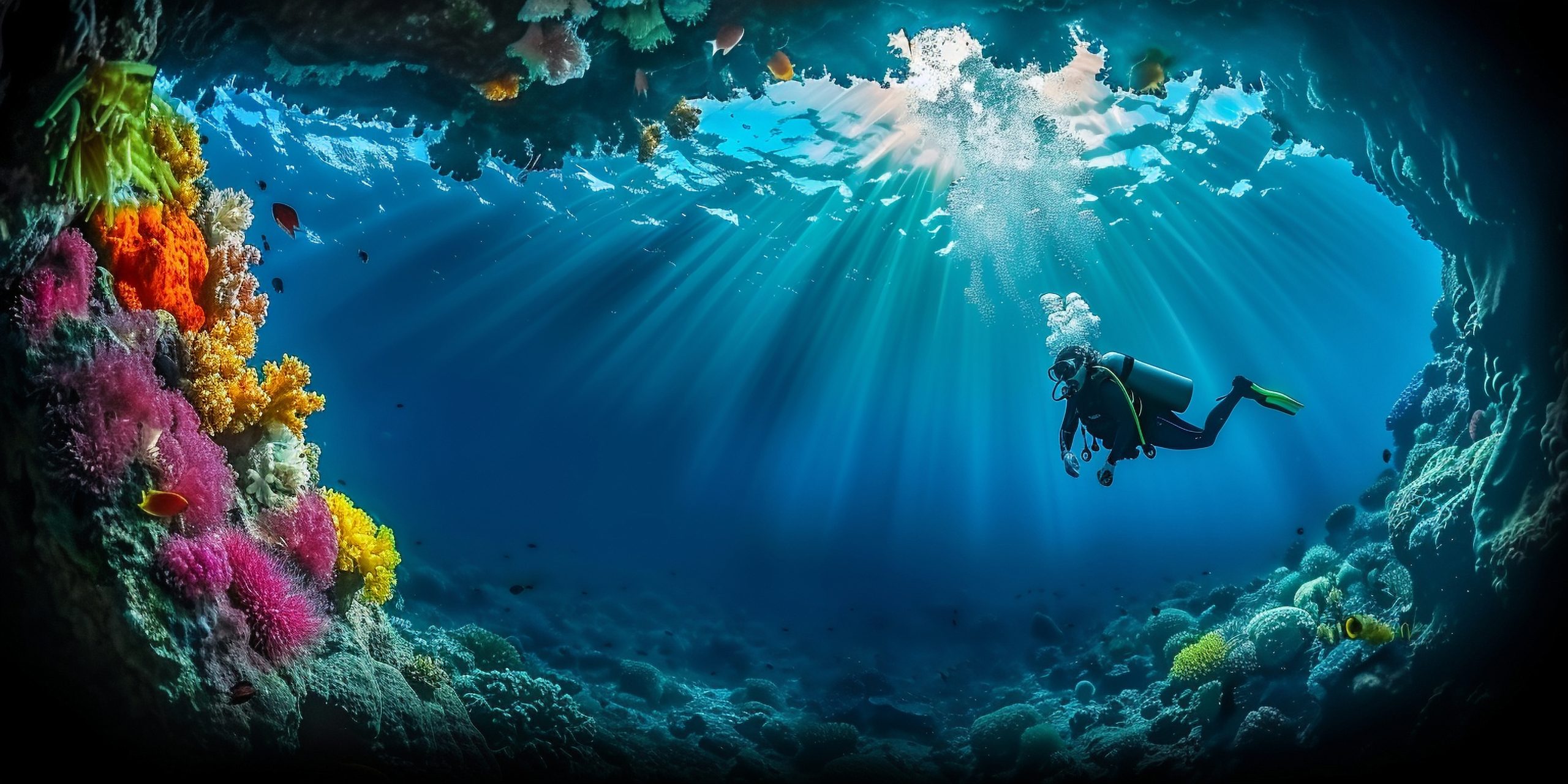
The joy of floating in open water — whether snorkelling over coral reefs with a snorkel or dropping into the abyss with tanks strapped to your back — is hard to duplicate. But as wondrous and thrilling as these advances are, they carry new dangers. Which is why getting around it to secure a comprehensive Travel Insurance Policy is not just smart! It’s essential, especially if snorkelling and scuba diving are in the itinerary for 2025.
Whether you’re going on a relaxed snorkelling trip in British Columbia or jetting down to the Caribbean for an advanced scuba dive, standard coverage may not cover you completely. Here is everything you need to know about how a Travel Insurance Policy designed for underwater adventurers can keep you and your gear safe — and fully covered.
Why Adventure Travellers Need Special Travel Insurance Coverage
Insurers tend to deem water sports among the higher-risk activities. And that’s fair. And in much of the world, emergency health services are not there or are too expensive. Get injured while snorkelling, or decompression sickness during an in-depth dive, and the cost of any Travel Insurance with medical cover can quickly explode. Most public health plans or simple travel plans don’t provide comprehensive coverage for air evacuations, hyperbaric treatments, or hospital stays overseas.
What to Look for in a Travel Insurance Policy for 2025
Not all policies are created equal, especially when it comes to scuba diving and snorkelling. The first step is to ensure the plan doesn’t have exclusions for water-based or adventure activities. A policy that explicitly includes scuba diving—even better if it covers dives up to 40 meters or technical dives—is a safer choice.
Here are the features your policy should include:
- Emergency Medical Coverage: Make sure your policy includes medical treatment for injuries or illnesses while abroad.
- Evacuation and Repatriation: In remote diving spots, helicopter evacuation or emergency flights might be the only way to reach treatment. This coverage is vital.
- Hyperbaric Chamber Treatment: Scuba divers are susceptible to decompression sickness. Ensure this specific treatment is covered.
- Search and Rescue: If you go missing on a dive, search efforts can be costly and aren’t usually covered in basic insurance plans.
- Trip Cancellation/Interruption: Weather can change quickly, and dive trips can be postponed or cancelled. Protect your investment with a robust cancellation clause.
- Equipment Loss or Damage: Diving gear is expensive. If your bags are delayed or your regulator is broken in transit, this coverage can be a trip-saver.
Factors That Affect Travel Medical Insurance Cost
Travel Medical Insurance for snorkelling and diving – how much does it cost? These would be your age, general health, duration of holiday, places to visit, as well as the type of underwater activities to be engaged in. Premiums will rise for types of diving with increased risk (eg, cave or wreck diving). Similarly, a policy with emergency evacuation, greater policy limits, and fewer exclusions on what’s covered will cost more up front but offer better value over time.
If you dive a lot, consider multi-trip policies to strike a balance of cost and coverage. And remember, always check online to compare plans and not pay more than needed. Buying a Travel Insurance Plan online in 2025 allows you to compare dozens of options in minutes and choose what suits your adventure best.
Countries Where Special Insurance Coverage is a Must
In some places, standard travel coverage might not be sufficient or accepted at all. For example:
- Thailand and Indonesia require proof of coverage for entry and medical treatment.
- Belize and Honduras offer world-class diving but remote facilities, making evacuation insurance essential.
- Mexico offers great snorkelling, but many hospitals demand upfront payment if you lack international medical insurance.
In 2025, many countries will continue to prioritize health documentation, so ensuring your policy includes travel medical coverage with named activities is non-negotiable.
What to Watch for When Buying a Travel Insurance Plan Online
Comparison is crucial, but so is fine print. Many policies exclude “hazardous sports” by default, and diving beyond 10 meters might fall under that definition. Look for policies from providers that allow add-ons or optional adventure sports packages.
Other points to consider:
- 24/7 Emergency Support: Choose insurers that provide 24-hour global assistance.
- Direct Billing Networks: These minimize out-of-pocket expenses during emergencies.
- Claim Process: Read reviews on how easy it is to file and receive reimbursement.
Is Snorkelling Treated the Same as Scuba Diving?
Generally, no. It’s worth noting that the majority of Travel Insurance providers class snorkelling as a low-risk activity and provide coverage as standard. Scuba diving beyond 10 or 18 meters is seen as a medium or high-risk activity, branching very heavily depending upon the dive depth and the diver’s certification level. To avoid the claims from being rejected, always report in advance the planned activities.
Final Thoughts Before You Dive In
Other than travelling alone, snorkelling and scuba diving are some travel activities that are most awe-inspiring, with real risks that require real protection. A sturdy Travel Insurance Policy means you won’t be left out of pocket in the event of any accidents or emergencies.
In 2025, you’ll have more options than ever to purchase a Travel Insurance Plan online with custom features geared towards underwater adventure. The cost of Travel Medical Insurance might feel like an extra step, but it’s the smartest swim move you can make before tightening the mask or tanks.
Before you zip up your gear bag or buckle up on your flight, see that your Travel Insurance is as prepared as you are because the only thing more unforgettable than the views of the ocean should be the experience of actually being there, not the bills that come with it.
Learn More: Flying During The Rainy Season Abroad? Here’s Why Travel Insurance Is Essential