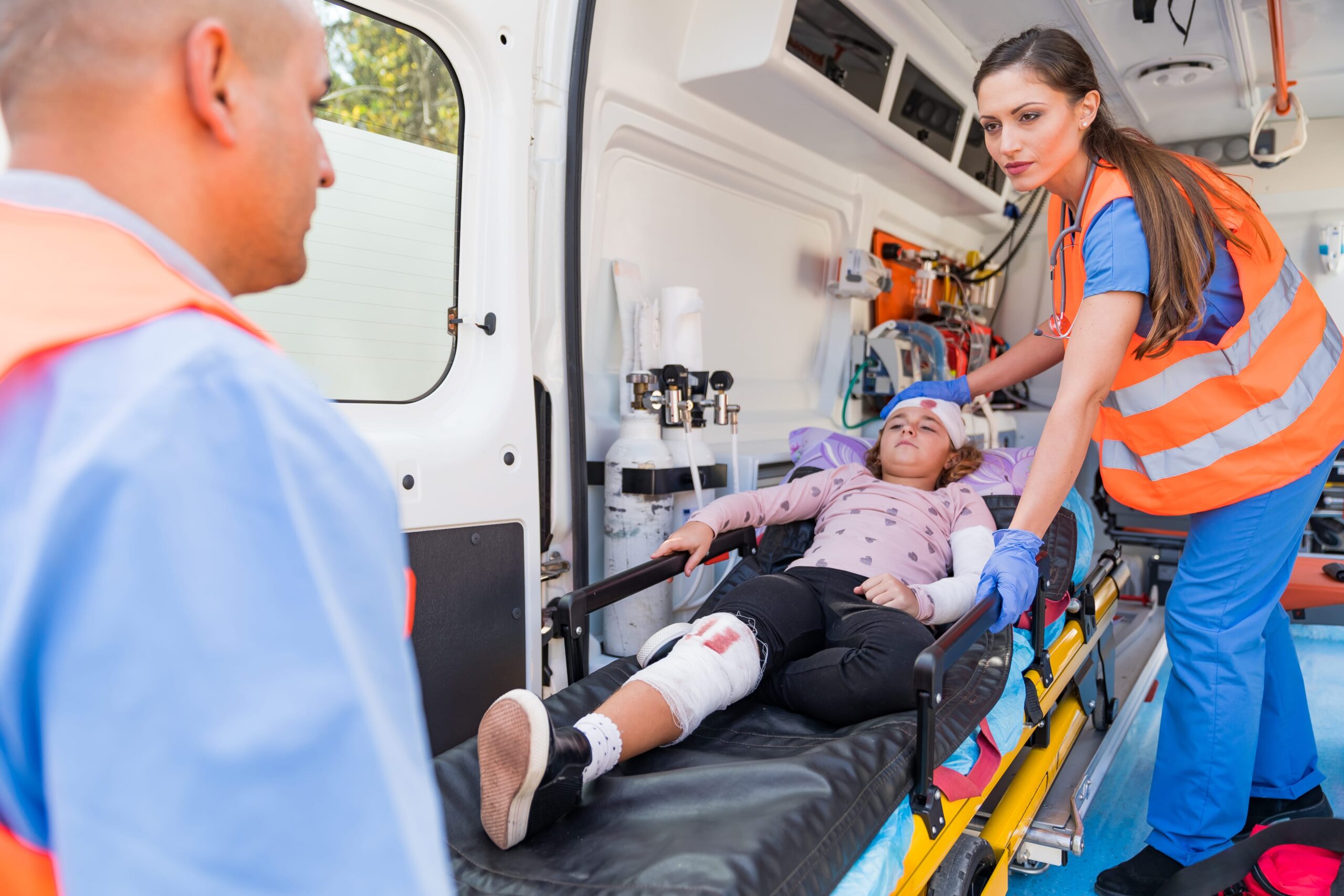
A health card issued by the provincial authorities can offer significant security for a person when remaining at home, but once a traveler crosses the borders, he or she faces a completely different situation. An individual who receives emergency health care abroad might still be partly reimbursed by the provincial or territorial health program according to the place of residence and type of services received; however, it certainly does not mean that the entire bill for the treatment will be reimbursed.
In its recommendations for Canadians who are going to travel abroad, the Government of Canada states that travel Health Insurance should be purchased prior to leaving the country—even if a person travels to the USA for one day. In particular, the Canadian government says that provincial or territorial health plans can cover no expenses or just a tiny portion of them, such as medical evacuation, but they do not cover international hospital bills.
In turn, Health Canada also suggests the same: when a person leaves Canada, provincial or territorial programs might be able to pay some amount of expenses related to emergency services; however, the amount of the reimbursement will depend on how much the service would cost in
That difference can be substantial. The question is therefore not simply, “Does Provincial Health Insurance Travel Coverage exist?” A more useful question is, “How much of an overseas emergency bill could still be left for me to pay?”
How Provincial Health Insurance Coverage Works Outside Canada
Canada’s provincial Health Insurance programs have been developed mainly in accordance with Canada’s health care system.
If a resident who qualifies under such programs gets medical treatment in Canada that is covered by Health Insurance, then the province or territory would pay the provider for that treatment in accordance with their policies.
This, however, does not always apply when outside Canada.
Depending on the specific country or region, the Provincial Health program will provide coverage for emergency physician services, hospital services, or both.
The payment could be made depending on the province’s physician fee schedule, a fixed daily hospital fee, or a specific payment formula.
The foreign hospital, however, will not have to charge Canadian rates.
Foreign hospitals may charge several thousand or even tens of thousands of dollars for treatment, while the Canadian provincial health programs would cover it in a far smaller sum.
This is one of the main limitations of Provincial Health Insurance Travel Coverage.
Canadian Health Insurance Outside Province Vs Outside Canada
Traveling from Ontario to Alberta is quite different from traveling from Ontario to Florida.
In Canada, the provinces and territories are part of the interprovincial reciprocal agreements for many medically necessary physician and public hospital services. In most cases, an individual is able to present a valid health card, and billing across jurisdiction is arranged by the service provider.
Exceptions apply; for instance, in Quebec, where there is no reciprocal billing for physician services like there is for most other jurisdictions, one might have to pay upfront and claim the money later. Services such as ambulances, prescription drugs outside hospitals, and private institutions are among others that do not qualify for reciprocal billing.
Outside Canada, there is no equivalent nation-wide reciprocal billing system with foreign hospitals.
That means Canadian Health Insurance outside the province may still provide fairly broad protection for insured medical services within Canada, whereas international travel can leave a much larger financial gap.
How Much Does Provincial Health Insurance Cover Outside Canada?
There is no single Canadian reimbursement rule. Each province and territory administers its own health plan, and the rules can change.
The following table gives a practical Canada-wide overview based on current publicly available government guidance.
| Province/Territory | General Approach To Emergency Medical Care Outside Canada | Important Limitation |
| British Columbia | MSP may provide limited funding for unexpected, medically required physician services abroad | Reimbursement can be far below actual foreign charges; prescriptions, ambulance services, and non-physician practitioners outside B.C. are generally not covered by MSP |
| Alberta | AHCIP reimburses eligible emergency physician and hospital services | Physician reimbursement is generally the lower of the amount claimed or Alberta’s rate; only insured emergency services qualify |
| Saskatchewan | Emergency physician and hospital services receive limited reimbursement | Physician services use Saskatchewan rates; inpatient hospital coverage is up to $100 CAD/day and outpatient up to $50 per visit, maximum two visits/day |
| Manitoba | Emergency physician and hospital services may be reimbursed | Physicians are paid at Manitoba-equivalent rates; hospital reimbursement uses a Manitoba-established daily rate and the traveller pays the excess |
| Ontario | OHIP provides limited coverage for qualifying acute, unexpected emergencies abroad | Physician payments use Ontario rates; emergency outpatient hospital care is up to $50/day and inpatient hospital care generally up to $200 or $400/day depending on level of care |
| Quebec | RAMQ may reimburse some insured services while temporarily outside Quebec | In most cases only part of the cost is reimbursed; private Travel Insurance is recommended |
| New Brunswick | Coverage rules are restrictive and depend on eligibility/status | New Brunswick specifically advises that residents should have private insurance when travelling outside Canada; certain categories may not be covered by Medicare abroad |
| Nova Scotia | MSI may reimburse insured inpatient physician and hospital services for sudden illness or accident | Emergency inpatient hospital reimbursement is currently $525 CAD/day plus 50% of ancillary fees; outpatient hospital services are generally not covered |
| Prince Edward Island | PEI Medicare may reimburse eligible services at PEI rates | Traveler generally pays upfront and remains responsible for the difference between foreign charges and PEI reimbursement |
| Newfoundland And Labrador | MCP/Hospital Insurance Plan provides limited reimbursement | Hospital coverage is currently up to $350/day in community/regional hospitals, $465/day in tertiary/specialized hospitals, and $62/day for outpatient hospital services |
| Yukon | Basic physician and hospital expenses may be reimbursed at Yukon rates | Traveler pays the amount above Yukon rates; ambulance, hospital transfer, escorts, and return transportation are not generally covered |
| Northwest Territories | Emergency or sudden-illness services may be reimbursed at NWT rates | Traveler pays the difference between actual foreign charges and NWT reimbursement; Travel Insurance is recommended |
| Nunavut | Nunavut Health Care Plan provides limited reimbursement for medically required care outside Canada | Private Travel Insurance is strongly recommended, particularly for hospitalization, physician costs, and medical transportation |
Because provincial rules and reimbursement schedules can change, travellers should check their own provincial or territorial health ministry shortly before departure rather than relying solely on older travel information.
Why A Foreign Hospital Bill Can Be Much Higher Than Provincial Reimbursement
The limits become easier to understand with an example.
Assuming that a person from Ontario develops appendicitis while overseas and gets admitted into the hospital, OHIP will not pay off the entire bill as the hospital may charge several thousands of dollars per day. According to present Ontario regulations, in certain instances of higher level inpatient services such as intensive or coronary care, a maximum payment of $400 CAD is provided per day, while for lower levels of emergency inpatient services the payment per day is capped at $200 CAD. In general, emergency outpatient hospital service has a maximum daily rate of $50 CAD.
The limit in Saskatchewan is even less generous. The maximum daily reimbursement in case of emergency inpatient hospitalization outside Canada is $100 CAD, while outpatient hospital services are covered up to $50 CAD per visit, two visits per day.
In Nova Scotia, there is a reimbursement of eligible emergency inpatient services amounting to $525 CAD per day plus 50% of ancillary fees, however, the outside-Canada outpatient hospital costs, diagnostic procedures in outpatient or emergency clinics, and medical transportation both air and ground are not included.
Newfoundland and Labrador publishes different maximum hospital rates: $350 per inpatient day in a community or regional hospital, $465 per day in a tertiary or specialized hospital, and $62 per outpatient day. The remaining balance is the responsibility of the patient or private insurer.
These examples show why the answer to “How much does provincial Health Insurance cover outside Canada?” cannot be expressed as one nationwide percentage.
The amount depends heavily on where the traveller lives, the kind of care received, and the provincial reimbursement formula.
What Medical Expenses Are Not Covered By Provincial Health Insurance?
One of the most important travel-planning questions is what medical expenses are not covered by provincial Health Insurance.
The answer varies, but there are recurring gaps.
Among these, medical transportation is one of the major ones. Ambulance, air ambulance, medical evacuation, escort services, or repatriation back to Canada are rarely covered or are significantly limited in the provincial plans.
The plan of Ontario explicitly mentions that OHIP does not provide coverage for costs of moving hospitalized travelers back to the Ontario hospital. Saskatchewan also clearly states that the province does not pay for moving residents back home in case of medical emergency outside Saskatchewan and Canada. Newfoundland and Labrador do not include medevac, as well as ground and air ambulances, if needed in another place.
There might be gaps regarding prescription medications. For example, B.C.’s PharmaCare program does not cover the cost of prescription drugs or medical supplies acquired outside of B.C. Similarly, the prescription drug plan in Quebec also does not usually cover drugs acquired outside of Quebec.
Some other possible gaps may include cost of services provided by private hospitals, non-medical physician services, accommodation of family members, food, transportation costs, dental emergencies, and outpatient diagnostics.
The exact exclusions depend on the home province and the private policy, which is why both documents need to be reviewed.
Is Provincial Health Insurance Enough For Travel?
For most international travellers, provincial coverage alone should not be treated as complete travel medical protection.
The Canadian government specifically advises purchasing travel Health Insurance prior to departure from Canada and informs that foreign hospitals might request payments right away. The federal government also says that it will not cover any medical costs for the traveler.
This applies even to brief visits.
Traveling through the American border in a car in one day is no guarantee against an accident, heart problems, allergic reaction, fall, infection, or any other sudden medical issue.
Even if the provincial Health Insurance covers some expenses afterward, the foreign hospital might still request payment arrangements.
That is the central reason the question “Is provincial Health Insurance enough for travel?” is generally answered with caution.
It may help. It usually should not be the only protection relied upon for international travel.
How An Emergency Medical Insurance Policy Can Fill The Gap
An Emergency Medical Insurance Policy is designed to cover eligible unexpected medical expenses occurring during a covered trip, subject to the policy’s terms, exclusions, limits, and deductibles.
Coverage varies between insurers, but common Emergency Medical Insurance benefits can include emergency physician treatment, hospital care, diagnostic testing, prescription drugs connected with a covered emergency, ambulance transportation, and certain medical evacuation or repatriation expenses.
There are other insurance plans that also offer 24-hour assistance services. These services can prove beneficial in an unknown country because the company offering the assistance service can help to locate a suitable hospital, communicate with the doctor treating the person, make payments, and transport the patient wherever required.
It is not always true that all overseas Emergency Medical Insurance plans cover all costs.
The terms of the insurance plan still matter.
Having a large coverage limit alone does not ensure that all conditions qualify.
Emergency Medical Insurance For International Travel And Pre-Existing Conditions
Pre-existing medical conditions deserve particular attention before international travel.
Many policies contain a stability requirement. This means that a medical condition may need to have remained stable for a defined period before departure.
The definition of “stable” varies by insurer and policy. A change in medication, dosage, treatment, symptoms, testing, or medical advice may affect eligibility even when the traveller feels well enough to travel.
The Government of Canada advises travellers to specifically ask an insurance provider how pre-existing conditions are defined and what limitations apply.
Travellers should therefore read the medical questionnaire and policy wording carefully and answer health questions accurately.
Assuming that a condition is “minor” or “under control” is not the same as confirming that it satisfies the insurer’s stability definition.
What Happens During A Medical Emergency Abroad?
Imagine a Canadian traveller develops severe abdominal pain in another country and requires urgent hospital care.
First, one must see to their medical needs. In case of an emergency, it would be advisable for the traveler to go for the necessary treatment instead of postponing it just because the patient cannot get authorization from the insurance company.
In the earliest time possible, the traveler or any relative must call the emergency line provided in the Travel Insurance. Most Travel Insurance companies insist that the policyholder must notify the insurance company within 24 hours after the emergency.
The hospital can ask the traveler for a down payment or credit card information.
Travelers must maintain complete documentation of their medical record, their diagnosis, prescription, billings, and proof of payment.
The Government of Canada notes that Canadian consular officials can help travellers locate physicians or hospitals and assist in contacting an insurance company, but they do not pay medical bills, air ambulance expenses, or medical evacuation costs.
Medical Emergencies While Travelling Canada Vs Travelling Abroad
A traveller does not need to cross an international border before gaps in provincial Health Insurance can appear.
For trips made within Canada, the medical services provided by physicians and public hospitals tend to be portable due to the reciprocal agreements between provinces and territories. According to Health Canada, medical services for emergency hospitalization and physicians remain covered when someone travels temporarily within Canada.
However, not all costs go along with the traveler.
Ontario, for instance, does not cover ambulance costs incurred in another province, prescription drugs purchased outside the hospital, costs for private hospitals, among others.
The government of Manitoba says that in case one requires an ambulance outside Manitoba, the provincial government will not assist in any way.
Northwest Territories also excludes ground ambulance and medevac from their medical coverage whenever residents are traveling elsewhere within Canada.
So even medical emergencies while travelling Canada can create unexpected expenses.
The difference is that international travel generally creates a much greater potential gap between public reimbursement and actual cost.
Common Mistakes Canadians Make Before International Travel
Many Travel Insurance problems begin before departure, often because travellers assume existing coverage is broader than it really is.
- Assuming A Provincial Health Card Provides Full International Coverage: Provincial Health Insurance may reimburse only a limited portion of eligible emergency costs abroad, leaving travellers responsible for the balance.
- Relying On Credit Card Travel Insurance Without Checking The Terms: Coverage may depend on age, trip length, cardholder status, medical history, or whether certain travel costs were charged to the card.
- Ignoring Pre-Existing Condition Rules: Travellers may buy a policy without checking stability periods, exclusions, recent medication changes, or other medical requirements that can affect coverage.
- Assuming Every Emergency Expense Is Covered: Prescription drugs, ambulance services, medical evacuation, repatriation, or private hospital charges may have limits or exclusions depending on the policy.
- Travelling Without Policy And Assistance Details: Keeping the insurer’s emergency assistance number, policy number, and coverage information readily available can make it easier to get help quickly during a medical emergency abroad.
What To Check Before Buying Overseas Emergency Medical Insurance
Comparing policies should involve more than looking at the premium.
Begin by reviewing the limit on the emergency medical benefit, then see the definition of a medical emergency according to the policy. Find out whether coverage extends to hospitalization, physicians’ charges, diagnosis, prescriptions, transportation, evacuation and repatriation services.
Find out about the deductible and how it works, either once per policy, per claim or in some other fashion.
Pre-existing condition exclusions merit special attention, particularly for elderly tourists and those who have changed their medication or been tested, visited a specialist, exhibited new symptoms or received new treatments.
Coverage duration is important as well; 15-day coverage does not cover a tourist who stays abroad for 30 days unless a suitable extension is made.
It is also advisable to review whether pre-approval is required by the insurance company for particular treatments, and the claims process if direct billing is impossible.
Why Medical Evacuation Deserves Special Attention
Medical evacuation can be one of the most financially significant travel risks.
The situation of a medical emergency may arise at a location that cannot offer the necessary standards of care. It would then require the patient to be evacuated to another city or country, possibly even back to Canada in the company of qualified medical personnel.
Provincial Health Insurance Plans will not cover such costs.
This is one reason why the Canadian Government advises travelers to have medical evacuation insurance to be taken to Canada or any place that can offer the necessary care.
A traveler planning on buying medical insurance in case of an emergency in a foreign country should take careful notice of the evacuation clause.
Why Provincial Reimbursement Still Matters When You Have Travel Insurance
Buying Private Emergency Medical Insurance does not necessarily make provincial health coverage irrelevant.
Some Travel Plans also coordinate the benefits with the provincial or territorial program. The insurer will cover the costs, and then seek to get any reimbursements available from the province.
For this reason, it may be necessary for travelers to have valid provincial coverage in order to qualify for some Travel Insurance programs.
The eligibility criteria can even be based on how long a resident stays outside the province.
In this case, the traveler intending to spend extended time outside the province needs to find out how long their provincial coverage lasts before leaving.
The loss of provincial eligibility might affect not only the reimbursement but also the Travel Insurance program itself.
How Long Trips Can Affect Provincial Health Insurance Coverage
Provincial Health Plans generally have residency requirements.
This is not to say that the individual can live permanently out of the province while keeping his/her Health Insurance status the same.
For instance, in the case of Quebec, individuals are normally expected to stay within the borders of the province for 183 days before they are considered eligible for Health Insurance, with certain exemptions.
In the Northwest Territories, the individual is required to stay within the borders of the territory for 153 days every year to keep their Health Insurance, with certain exceptions.
For Ontario, there are separate regulations for prolonged absences from the province.
Therefore, travelers intending on staying longer away from the province need to be aware of the residency regulations.
Is Travel Insurance Necessary For A One-Day Trip?
Although a brief travel period means that you are exposed to risks for a shorter amount of time, it will not decrease the severity of your potential medical emergency.
An accident might happen one hour after crossing the border. Chest pains might emerge in a traveler while visiting for the weekend. Children might have accidents within one-day visits.
The Government of Canada clearly warns Canadian citizens about getting Travel Insurance in case of traveling outside Canada even for one day to the USA.
Frequent travelers that make short-term trips should consider the possibility of purchasing an annual multi-trip policy rather than a series of single-trip policies.
It all depends on trip frequency, maximum duration, age and other factors.
Emergency Medical Insurance Benefits Should Match The Actual Trip
A policy suitable for a healthy 25-year-old taking a five-day vacation may not suit a 75-year-old snowbird spending four months abroad.
A similar situation could be when a frequent business traveler travels through the border of the USA several times a month and has different requirements compared to families going on their single international trip during the year.
The Emergency Medical Travel Insurance which would suit the traveler should be selected instead of just the cheapest Travel Insurance policy.
Factors like age, destination, period of time for the trip, health condition, planned activities, availability of healthcare services, and whether there is already employer or credit card Travel Insurance are all to be taken into account.
What Provincial Health Coverage Does Well — And What It Was Never Designed To Do
Canada’s provincial and Territorial Health Plans play a central role in providing medically necessary insured care to eligible residents.
Their main role is not to provide private Travel Insurance to the entire world.
This helps explain why there are several limitations that a traveler faces.
A province can compensate an eligible foreign doctor’s services according to what would have been compensated if the physician was local. This fits the structure of the public health care program, but does not mean the invoice from the foreign practitioner will be paid.
Just as well, provincial Health Insurance does not cover travel interruptions, lodging for traveling companions, repatriation flights, luggage, and a variety of other travel complications due to illness.
Private Travel Insurance does cover some of these problems.
Before Leaving Canada: A Practical Check
Prior to embarking on an international journey, ensure that your provincial or territorial health care card is still valid and that you will meet all the residency requirements.
Next, examine your current employee, association, credit card, or personal Travel Insurance plan.
Pay special attention to the maximum of emergency medical benefits, maximum time of trip, deductible, pre-existing condition clause, emergency assistance, ambulance, and medical evacuation.
Keep a copy of the policy number and emergency assistance information with you on your journey, not only at home.
It is also helpful if your companion or family member knows where you keep that information.
Final Thoughts: Is Provincial Health Insurance Enough For Travel?
Provincial Health Insurance Coverage can still provide some help when a Canadian has a medical emergency abroad, but the amount and type of help vary sharply across the country.
Some provinces reimburse physician services using domestic fee schedules. Others publish fixed daily hospital limits. Certain services may not be covered at all.
The only thing which is constant is the potential of there being a large difference between what is charged abroad and what is paid back by the government Health Insurance program.
This is one of the reasons why it is important for Canadian travelers to understand that provincial health care insurance is not the same thing as international medical insurance.
The proper Emergency Medical Insurance program can take care of additional costs left uncovered by the provincial health care insurance, such as potential hospital costs, ambulance services and medical evacuation.
Make sure to calculate both sides of the equation, meaning understand clearly what your home province will cover and what will be covered by the Emergency Medical Insurance.
When traveling internationally, the best plan in terms of finances will not be whether you have provincial coverage, but whether this provincial coverage plus an International Emergency Medical Insurance coverage is enough for a serious case.
Learn More: International Health Insurance For Expats: How Pre-Existing Conditions Are Covered